

Temporary Import for Re-Export in 2025: New Opportunities and Challenges for Vietnamese Businesses
Temporary import for re-export is a specialized activity within global trade, playing a strategic role in facilitating cross-border commerce—especially in transit hubs like Vietnam. With policy updates taking effect in 2025, businesses must fully understand the process to maximize benefits, mitigate risks, and stay compliant.
What Is Temporary Import for Re-Export?
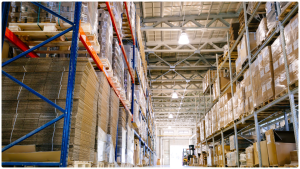
What Is Temporary Import for Re-Export?
Temporary import for re-export refers to the process of bringing goods from abroad (or from special zones within Vietnam, such as bonded warehouses) into Vietnam for a limited period, then exporting them out of the country. This practice serves transit, processing, exhibition, repair, or humanitarian purposes and is common in international logistics.
Are Temporary Imports Subject to Tax?
Depending on the type and intended use, temporary imports may qualify for exemptions from import and VAT taxes. However, businesses must clearly declare their purpose and follow correct customs procedures to enjoy these incentives.
>> Read More: What Is Temporary Export and Re-Importation? (Updated 2025)
Vietnam’s Current Landscape for Temporary Import for Re-Export in 2025
- Stricter controls: Vietnam Customs is increasing scrutiny on sensitive goods such as tobacco, alcohol, and high-tech items due to smuggling risks.
- Improved logistics infrastructure: Border provinces and major seaports like Hai Phong and Ho Chi Minh City are expanding bonded warehouses to handle growing volumes.
- Boom in electronics and medical equipment: Especially under warranty and repair models.
- Shift to third-country routes: Goods are increasingly routed via Laos, Cambodia, and Myanmar under new trade agreements.
>> Read More: Freight Shipping Service from Ho Chi Minh City to Cambodia
Legal Framework and 2025 Regulations
Key Takeaways for Businesses:
- Some goods may not require licenses (excluding prohibited or restricted items).
- Businesses engaging in commercial temporary import for re-export must register a unique trade code.
- Retention periods range from 60 to 180 days depending on the goods and purpose.
- Accurate customs declarations using the correct procedure codes (e.g., G12, G13) are critical to avoid fines or over-taxation.
Governing Laws and Decrees:
- Customs Law 2014 (amended)
- Decree 69/2018/ND-CP – guiding the Law on Foreign Trade Management
- Circular 11/2020/TT-BCT – on trade code and license for temporary imports
- Circular 38/2015/TT-BTC – customs procedures and supervision
2025 Regulatory Updates:
- Clearer differentiation between procedure codes G12 (duty-free) and G13 (tax-refunded if re-exported properly).
- Customs now enforce strict control overstay duration within Vietnam.
- Certain goods (e.g., medical devices, e-waste, machinery parts) require additional specialized inspection certificates.
Step-by-Step Guide to Temporary Import for Re-Export (2025)
Temporary Import Procedures
Submit the following documents to the local customs office:
- Temporary import customs declaration
- Import contract between Vietnamese and foreign traders
- Import-export license (if required for the goods)
- Agreed re-export schedule (within contract or appendix)
- Transport documents: bill of lading, packing list, invoice
- Registered business code for commercial re-export (if applicable)
Important Notes:
- Declare the correct customs codes (G12, G13, G11, G14…)
- State the purpose of goods during their stay in Vietnam: repair, display, rental, etc.
Re-Export Procedures
Once the goods have fulfilled their intended use:
- Submit export declaration for temporary imports
- Provide supporting documents proving usage (e.g., warranty, repair)
- Include re-export contract (if applicable)
- Confirm goods haven’t overstayed the permitted period
Tax Implications: If goods are re-exported on time and meet all conditions, businesses may receive tax exemptions, refunds, or avoid penalties.
Storage Duration in Vietnam
- Commercial temporary imports: up to 60 days (extendable once by 30 days)
- Repair/rental/service use: up to 1 year per contract
- Exhibitions and trade fairs: max 30 days after event conclusion
Delays beyond these periods can result in fines, tax collection, or goods being treated as official imports.
Common Customs Procedure Codes for Temporary Import for Re-Export
| Customs Code | Description |
| G11 | Temporary import for trade fairs/exhibitions |
| G12 | Temporary import – re-export, tax-exempt |
| G13 | Temporary import – tax paid, refunded upon re-export |
| G14 | Temporary import for repair/warranty, then re-exported |
| G21 | Temporary import for military, humanitarian, or special use (requires ministry-level approval) |
Types of Temporary Import for Re-Export
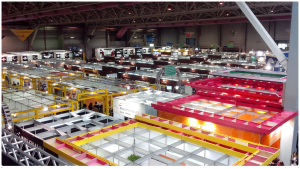
Types of Temporary Import for Re-Export
1. Commercial Temporary Import for Re-Export
- Legal if registered with the Ministry of Industry and Trade
- Applicable to consumer goods, electronics, alcohol, apparel, etc.
2. Warranty, Maintenance, Lease, or Loan Agreements
- License-free but must comply with contract terms and timelines
- Common in machinery, industrial equipment, and healthcare devices
3. Processing/Repair per Foreign Partner’s Request
- No license required
- Goods must be returned to the same foreign entity
4. Temporary Import for Display/Exhibitions
- License-free but requires full customs declaration
- Businesses must present official invitations from event organizers
5. Humanitarian or Special-Purpose Temporary Imports
- E.g., importing medical equipment for temporary use
- No license required but must be justified with humanitarian reasons or approved by the Ministry of Defense/Public Security for special equipment
Key Differences: Temporary Import for Re-Export vs. Transit Trade
| Criteria | Temporary Import for Re-Export | Transit/Through Trade |
| Customs Declaration | Required | Not required |
| Goods Location | Enters Vietnam territory | Does not enter or only passes through |
| Contracts | Two separate contracts (import & export) | One contract between two foreign countries |
| Bonded Warehouse | Optional | Allowed but no modification to goods |
| Use Case | Processing, repair, or transit via Vietnam | Quick resale without modifications |
Common Mistakes Made by Businesses
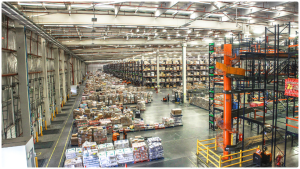
Common Mistakes Made by Businesses
- Using the wrong customs code → tax errors, fines
- Failing to register a clear retention period → penalties for overstaying
- Misusing goods domestically → potential criminal charges
- Vague contracts between parties → complications during customs inspections
Simplify Cross-Border Logistics with KFLV
In 2025, Vietnam’s temporary import for re-export regime offers new opportunities—but also demands stricter compliance in documentation and timelines. A structured legal process and transparent contracts are essential.
King Freight Logistics Vietnam (KFLV) supports enterprises with:
- Accurate customs code registration
- Contract and schedule consulting
- Customs clearance at ports, border gates, bonded zones
- Specialized transport and warehousing for temporary imports
We accompany your business through every re-export scenario—from documentation and bonded storage to customs filings.
Contact our team today at hotline +84 (0) 938 188 796 or email cs1@hcm.kfkingfreight.com for personalized guidance!
Written bykflv.vn
Other activities

Other news
What is a Surrendered Bill of Lading? When Should It Be Used in International Trade? In international shipping, a Bill of Lading (B/L) is not only a transport document but can also function as a document of title to the cargo. However, in many cases businesses do not need this ownership function and choose to […]