

What Is Cargo Roll-Over? Causes, Impacts & Effective Prevention
What Is Cargo Roll-Over?
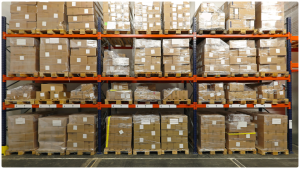
What Is Cargo Roll-Over?
Cargo roll-over (also known as rolled cargo or roll-over in logistics) occurs when a shipment that was confirmed for a specific sailing is not loaded onto the intended vessel as scheduled and is instead delayed to a later sailing.
This term is common in the logistics and international shipping industry, especially for FCL shipments (Full Container Load). Roll-over is a frequent risk caused by multiple factors, from shipping lines to exporter-side issues.
Common Causes of Cargo Roll-Over
Lack of space on the vessel:
During peak season or when carriers cancel sailings, demand often exceeds vessel capacity, resulting in containers being rolled to the next departure.
Late submission of documents: Delays in submitting the Shipping Instruction (SI), Verified Gross Mass (VGM), or Bill of Lading (B/L) prevent the carrier from scheduling the cargo in time.
Unpaid freight charges: If freight or related fees are not fully paid, the carrier may delay the shipment.
Carrier-side changes: Some carriers may reschedule sailings, reroute vessels, or prioritize other cargo based on internal planning.
Shortage of empty containers or inland transportation: Challenges in securing empty containers at the depot or delays in drayage to the port before the cut-off can also cause roll-over.
>> Read More: Comparison of Common Container Types in Cargo Transport
Consequences of Cargo Roll-Over
- Delivery delays: Shipment delays affect sales schedules and damage credibility with buyers.
- Additional costs: Costs may increase due to warehouse storage, rebooking fees, and administrative handling.
- Supply chain disruptions: Interruptions in downstream operations, especially for make-to-order goods.
- Risk of contract penalties: Delays on FOB or CIF terms with strict deadlines may result in financial penalties.
>> Read More: The Impact of Incoterms on Costs and Responsibilities in International Trade
How to Prevent Cargo Roll-Over
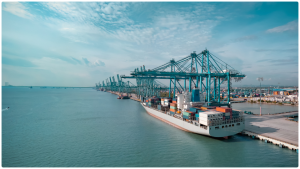
How to Prevent Cargo Roll-Over
1. Provide accurate cargo information
To avoid roll-over risks, businesses should:
- Declare complete and accurate cargo details: item name, weight, quantity, dimensions, value, etc.
- Ensure all shipping documents are prepared correctly and submitted on time (invoice, packing list, SI, VGM, CO, etc.).
2. Monitor cargo status regularly
- Stay updated on cargo movement via the shipping line or forwarder.
- Act promptly in response to any schedule changes or documentation issues.
3. Plan shipments early
- Book space early with carriers (at least 1–2 weeks before ETD).
- Avoid last-minute bookings close to delivery deadlines to allow time for contingencies.
>> Read More: What Is a Packing List? Its Importance in Import and Export
What to Do When Your Cargo Is Rolled
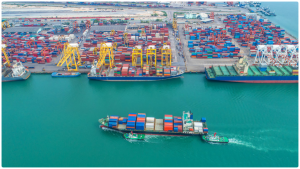
What to Do When Your Cargo Is Rolled
If your cargo is rolled:
- Contact the carrier or freight forwarder immediately to understand the reason and seek an alternative plan.
- Request to be moved to the next available vessel with open space.
- Inform your buyer of delays and adjust delivery documents as needed.
- Consider re-routing through a different port if timelines are critical.
Choose a Reliable Logistics Provider
Working with an experienced and reputable logistics partner can help you:
- Secure early bookings and avoid roll-over risk.
- Receive timely support when issues arise.
- Ensure transparency and proactive communication throughout the process.
Consider Cargo Insurance
Having insurance coverage for international shipments can:
- Minimize financial losses caused by delay or damage.
- Provide better protection in case of disputes.
Offer flexibility for managing unexpected disruptions.
Export and Grow with Confidence – Choose KFLV
What is roll-over in international shipping? It is a real and frequent risk, especially when vessel space is limited or market conditions fluctuate. However, with early planning, accurate documentation, strong monitoring, and a reliable partner, your business can minimize this disruption.
Don’t let roll-overs cause shipment delays, extra costs, or supply chain interruptions.
King Freight Logistics Vietnam (KFLV) is your trusted logistics partner. We help clients:
- Secure vessel space early
- Monitor shipments in real time
- Optimize shipping schedules and transit routes
- Handle all required documents efficiently
- Connect with top global carriers
Get in touch with the KFLV team at hotline +84 (0) 938 188 796 or email cs1@hcm.kfkingfreight.com for a free consultation and a customized shipping plan that works for your business.
Written bykflv.vn
Other activities


Other news
What is a Surrendered Bill of Lading? When Should It Be Used in International Trade? In international shipping, a Bill of Lading (B/L) is not only a transport document but can also function as a document of title to the cargo. However, in many cases businesses do not need this ownership function and choose to […]