

What is Less Than Truckload (LTL)? Road Freight for LCL Shipments
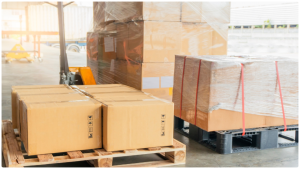
What is Less Than Truckload (LTL)
What is Less Than Truckload (LTL)?
LTL stands for “Less Than Truckload”, a shipping method used when the volume of freight is not large enough to fill an entire truck. Typically, LTL applies to shipments under 5,000 kg, which are usually neatly packed on pallets for easier handling and loading.
Instead of booking a full truck like in FTL (Full Truckload), shippers using LTL share truck space with other consignors. This cost-sharing method is especially suitable for individuals or businesses with small-scale shipping needs, helping to significantly reduce transportation expenses.
>> Read More: What is Full Truckload (FTL)? Pros and Cons of Choosing FTL Shipping
When Should You Choose Less Than Truckload (LTL)?
LTL shipping is a smart solution in the following cases:
- When your cargo doesn’t fill an entire truck.
- When your business needs to reduce shipping costs.
- When delivery timelines are flexible and not urgent.
- When your goods need to be distributed to multiple destinations.
However, LTL may involve longer transit times due to consolidation, multiple stops, and shared routing.
>> Read More: Shipping LCL Goods to Taiwan
Advantages of LTL Shipping
- Cost-effective: Freight charges are shared among multiple shippers based on cargo weight, distance, or pallet count, making it more affordable than booking an entire truck.
- Ideal for small loads: Even small shipments packed in cartons, plastic drums, or crates can be transported efficiently.
- Flexible distribution: Allows delivery to various locations without the need to book individual truckloads for each route.
Disadvantages of LTL Shipping
- Longer transit times: LTL shipments often take more time than FTL due to multiple pickups and deliveries along the route.
- Higher risk of damage or loss: Increased loading and unloading raises the chances of goods being mishandled or misplaced.
- Potential delays for freight consolidation: Some shipments may need to wait until there’s enough freight to fill the truck, which can impact delivery timelines.
Who Should Use LTL Services?
LTL is especially beneficial for:
- Small and medium-sized businesses with frequent but low-volume shipping needs.
- E-commerce companies shipping to warehouses or end customers.
- Distributors delivering to multiple retail points along the same route.
Tips for Effective LTL Shipping

Tips for LTL Shipping
To make the most of LTL services, keep the following in mind:
- Package carefully and use pallets whenever possible to prevent damage and ease handling.
- Label clearly to reduce the risk of shipment mix-ups.
- Plan for flexible delivery timelines – avoid LTL for urgent shipments.
- Choose a reliable logistics provider with clear shipment tracking and issue resolution processes.
LTL shipping offers a cost-saving and flexible solution for small shipments that don’t require a full truckload. However, to benefit from this method, shippers must understand its pros and cons and plan packaging and scheduling accordingly.
Shipping Solutions with KFLV
King Freight Logistics Vietnam (KFLV) provides comprehensive LCL shipping services with:
- Flexible transport options: Air and sea freight services.
- Customs clearance support: Minimizing delays and risks.
- Cost-optimized solutions: Catering to both small and large shipment volumes.
- Expert consulting team: Assisting businesses throughout the entire export process.
With years of experience and an extensive logistics network, KFLV is a trusted partner for businesses looking to transport LCL goods quickly, safely, and cost-effectively.
Contact us today at +84 (0) 938 188 796 or email cs1@hcm.kfkingfreight.com for expert consultation and a detailed quotation!
Written bykflv.vn
Other activities

Other news
What is a Surrendered Bill of Lading? When Should It Be Used in International Trade? In international shipping, a Bill of Lading (B/L) is not only a transport document but can also function as a document of title to the cargo. However, in many cases businesses do not need this ownership function and choose to […]