

Refrigerated Container Shipping Services
In Vietnam, the cold chain logistics sector holds significant potential, particularly with the strong growth of agriculture, food production, and import-export activities. However, in 2024, this industry faces challenges such as rising fuel costs, global supply chain disruptions, and climate change. These factors require logistics companies to enhance the quality of refrigerated cargo transportation services to meet market demands.
Characteristics of Refrigerated Goods and Storage Requirements
Refrigerated goods include processed foods, fruits, vegetables, seafood, and pharmaceuticals requiring storage at low temperatures ranging from -18°C to -40°C. The preservation and transportation process demands precision and strict control to maintain product quality and nutritional value.
Basic Requirements for Refrigerated Cargo Transportation
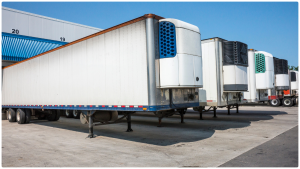
Basic Requirements for Refrigerated Cargo Transportation
1. Temperature Control:
- Maintain a stable temperature suitable for each type of product throughout the transportation process.
- Regularly monitor temperatures to ensure the cooling system operates efficiently.
2. Loading and Unloading Procedures:
- Goods must be loaded below the red line in containers to allow proper airflow.
- Ensure spacing between packages for even cooling distribution.
3. Cold System Monitoring:
- Frequently check the condition of refrigerated containers.
- Record information on temperature, packaging condition, and product quantities in handover documents.
Optimal Temperatures for Different Refrigerated Goods
Maintaining the correct temperature not only preserves quality but also minimizes losses during transportation. Below is a table of optimal storage temperatures and durations for some types of goods:
| Product | Temperature (°C) | Humidity (%) | Storage Duration |
| Poultry meat | -1 to 0.5 | 85-90 | 10-15 days |
| Frozen pork | 0-4 | 80-85 | 10-12 months |
| Fresh fish on ice | -1 | 100 | 6-12 days |
| Fresh milk | 0-2 | 75-80 | 2 days |
Refrigerated Cargo Transportation Process
1. Preparation of Specialized Transport Vehicles:
- Use refrigerated containers or vehicles equipped with advanced cooling systems.
- Ensure technical specifications meet the requirements of each product type.
2. Loading Goods into Containers:
- Pre-cool containers before loading.
- Use seals to record data and monitor cargo conditions.
3. Choosing the Right Transport Timing:
- Appropriate transport timing helps preserve the nutritional value of goods.
- Especially crucial for fresh products like fruits, vegetables, and seafood.
4. Continuous Monitoring and Inspection:
- Monitor the cooling system and cargo condition throughout the journey.
- Keep detailed records to support verification when needed.
Role of King Freight Logistics Vietnam (KFLV)

At King Freight Logistics Vietnam, we are committed to delivering top-quality refrigerated cargo transportation services, from precise temperature control to efficient handling procedures. With a team of experienced experts and modern equipment, KFLV confidently serves as a reliable partner in Vietnam’s cold chain logistics. Refrigerated cargo transportation is a critical link in the modern supply chain. Optimizing the transportation process not only protects product quality but also enhances business efficiency.
Contact KFLV today with hotline: +84 (0) 938 188 796 and email: cs1@hcm.kfkingfreight.com
Written bykflv.vn
Other activities


Other news

What is a Surrendered Bill of Lading? When Should It Be Used in International Trade? In international shipping, a Bill of Lading (B/L) is not only a transport document but can also function as a document of title to the cargo. However, in many cases businesses do not need this ownership function and choose to […]