

All in Rate in Logistics: Definition, Components, and Key Notes for Businesses
In international trade, understanding how to calculate and negotiate freight charges is crucial to managing your logistics budget. One of the most important terms frequently encountered by businesses is All in Rate. So, what exactly is All in Rate and why does it matter?
What is All in Rate?
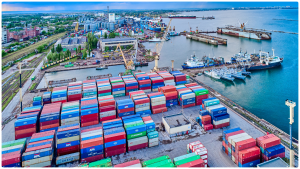
What is All in Rate?
All in Rate is a bundled freight charge that covers all transportation-related costs within the scope of agreement between the shipper and the logistics provider or carrier. It represents the final amount payable by the shipper or consignee, eliminating hidden costs unless otherwise specified in the contract.
Components of an All in Rate
A typical All in Rate quotation may include the following cost elements:
1. Base Ocean Freight
The core cost of moving a container from the port of origin to the port of destination — a mandatory component in any ocean freight quotation.
2. Port Surcharges & Local Charges
Common surcharges include:
- THC (Terminal Handling Charge): container handling fee at the port.
- EBS (Emergency Bunker Surcharge): surcharge applied when fuel prices fluctuate.
- LSS (Low Sulfur Surcharge): surcharge for low-sulfur fuel to comply with environmental regulations.
3. Seasonal or Special Surcharges
- GRI (General Rate Increase): general market-wide freight rate increase.
- PSS (Peak Season Surcharge): surcharge during peak shipping seasons.
4. Documentation & Handling Fees
This may include charges for bill of lading issuance, customs declaration, or warehouse handling, depending on the agreement.
>> Read More: Summary Table of Logistics Fees During Freight Transport
Advantages of All in Rate
Businesses opting for All in Rate enjoy several key benefits:
- Cost transparency: know the total logistics cost upfront to better plan budgets.
- Reduced risk of hidden charges: no need to track numerous small surcharges.
- Favorable for long-term contracts: many logistics providers offer stable All in Rates over a fixed period, which benefits long-term FOB or CIF agreements.
>> Read More: The Impact of Incoterms on Costs and Responsibilities in International Trade
What is Not Included in All in Rate?
What is Not Included in All in Rate?
Despite the name “all in,” an All in Rate does not always cover every possible logistics cost. Common exclusions include:
- Detention/Demurrage: charges for exceeding free time with containers.
- Storage fees: incurred when cargo stays in storage longer than permitted.
- Quarantine or specialized inspections.
- Domestic customs clearance fees.
Therefore, when reviewing an All in Rate quotation, businesses must verify which costs are included and which may arise outside the contract.
>> Read More: What Are DEM and DET Fees? Understanding the Difference in Logistics
Key Notes When Using All in Rate
To make the most out of this pricing model, businesses should keep in mind:
- Rates may fluctuate: All in Rates are usually short-term (weekly or monthly) and subject to changes in market demand, fuel prices, or carrier policies.
- Request a detailed breakdown: always ask for cost components to understand the scope of coverage.
- Do not assume “all in” means everything: each carrier or forwarder has its own pricing policies, so scope must be clearly defined in writing.
All in Rate is an effective tool for achieving cost transparency and minimizing unforeseen logistics expenses. However, businesses must carefully review what’s included, stay updated with market changes, and negotiate clearly defined contracts to avoid misunderstandings.
By properly understanding and applying All in Rate, import-export companies can take greater control of their logistics budgets and strengthen competitiveness in global trade.
End-to-End Solutions with All in Rate in Logistics
End-to-End Solutions with All in Rate in Logistics
Failing to anticipate additional charges in international shipping can lead to unexpected cost overruns, directly affecting both profit margins and delivery schedules. With the constant volatility of fuel prices, port surcharges, and carrier policies, adopting a transparent, bundled All in Rate is key to cost optimization, financial risk reduction, and efficient supply chain management.
King Freight Logistics Vietnam (KFLV) provides comprehensive logistics services with competitive, transparent, and stable All in Rates, supporting import-export businesses through:
- Detailed consulting on cost structures and applicable conditions.
- Providing bundled quotations to minimize unexpected charges.
- Customs clearance, documentation, international freight, and door-to-door delivery.
- Close monitoring of shipment progress to ensure on-time delivery.
- Document management and storage for easy auditing and retrieval.
Need further assistance? Contact us via hotline +84 (0) 938 188 796 or email cs1@hcm.kfkingfreight.com for detailed support from KFLV today!
Written bykflv.vn
Other activities


Other news
What is a Surrendered Bill of Lading? When Should It Be Used in International Trade? In international shipping, a Bill of Lading (B/L) is not only a transport document but can also function as a document of title to the cargo. However, in many cases businesses do not need this ownership function and choose to […]